Why Roof Flashing Fails and How to Fix It
Roof flashing fails because of rust, UV breakdown, thermal movement, and hurricane uplift. Here is why it happens in Baytown and how to fix it right.
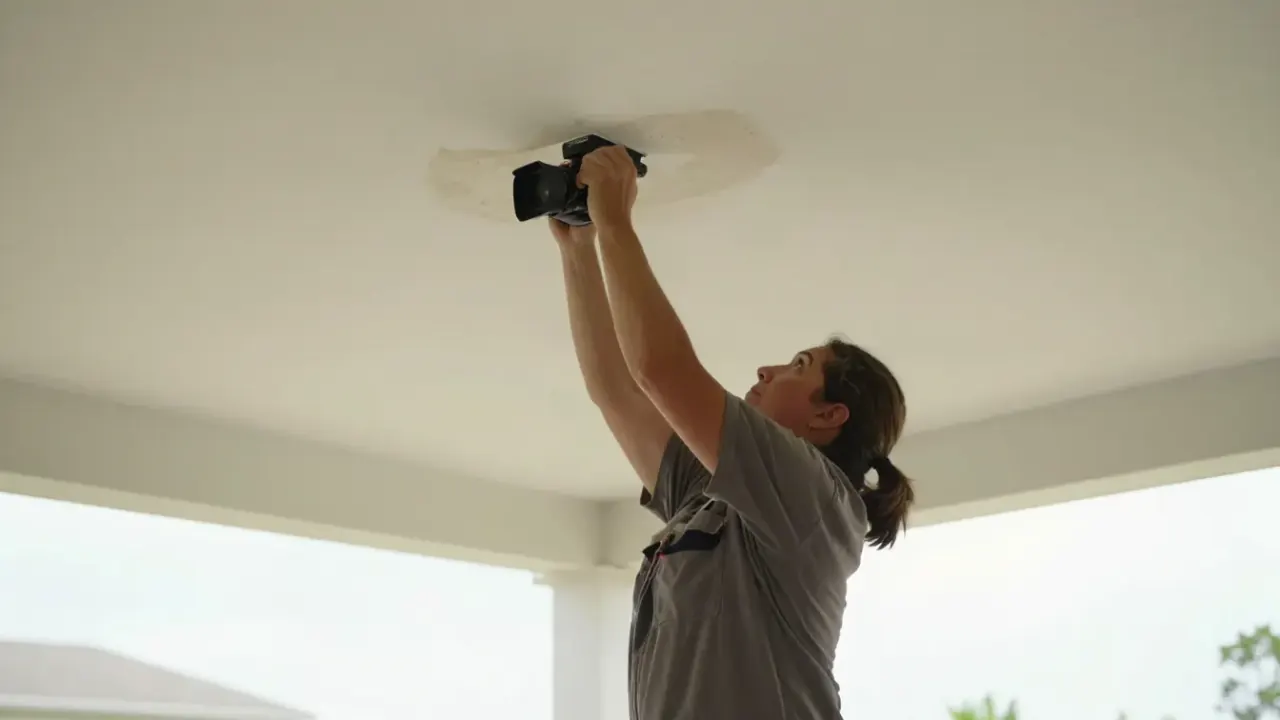
Roof flashing fails because the metal and sealant that keep water out of your roof's seams eventually lose the fight against rust, UV, and thermal movement. In Baytown, that fight is shorter than almost anywhere else in Texas, because salt air, 90-plus-degree summers, and hurricane-season wind uplift all attack flashing at the same time. This post walks through the real causes of flashing failure, how to fix the leaks yourself, what repairs cost in 2026, and when it is smarter to hand the job to a roofer.
Why does roof flashing fail?
Roof flashing fails when the material itself degrades or when the seal holding it in place breaks down, and in most Baytown cases both happen at once. Flashing is the L-shaped metal - galvanized steel, aluminum, or copper - that sits at every roof transition: chimneys, vent pipes, valleys, skylights, wall intersections, and the edges where the roof meets a fascia. It is the roof's waterproofing at the joints, and joints are where water always finds a way in.
Four things kill flashing: corrosion, UV and heat, thermal expansion and contraction, and physical movement from wind or foot traffic. None of them are exotic. They are just relentless.
- Corrosion: coastal salt spray and acid rain pit galvanized steel until it is porous.
- UV and heat: roofing sealant and butyl tape dry out and crack within 3 to 7 years in full Texas sun.
- Thermal movement: a metal roof panel can move a quarter inch or more between a 40-degree winter morning and a 150-degree summer afternoon surface temperature.
- Wind uplift: a 90 mph gust lifts shingle edges and pulls nails, opening gaps the flashing was covering.
When you see a brown ceiling stain after a hard rain, the flashing is usually the culprit - not the shingle field. Water enters at the joint, travels along a rafter, and shows up 10 feet from the actual leak.
The Baytown-specific causes of flashing failure
Baytown sits in a humid subtropical pocket on Galveston Bay, and that geography accelerates every flashing failure mode. Average relative humidity runs 75 percent or higher most of the year, which means flashing never fully dries between rains. Add salt aerosol from the bay and the ship channel, and bare steel starts to rust in a single season.
Hurricane season is the other half of the story. From June through November, wind-driven rain pushes sideways into flashing joints that shed vertical rain just fine. We see this constantly in older neighborhoods where homes were built in the 1960s and 1970s with original galvanized flashing that has already rusted through. If you live in an older part of town like Goose Creek Roof Leak Repair territory, your flashing has probably outlived its design life by a decade or more.
Newer construction is not immune. Builder-grade aluminum flashing and cheap sealant fail faster than the shingles above them, which is why a 12-year-old roof can leak at the chimney while the shingle field still looks fine.
How do I fix a roof flashing leak?
You fix a roof flashing leak by cleaning the joint, re-sealing or replacing the flashing, and then testing it with a hose before the next storm. The repair itself is straightforward on a simple pipe boot or a short wall flashing run. It gets harder fast on chimneys, valleys, and anything involving step flashing under shingles.
Here is the sequence we use on a typical flashing repair:
- Find the actual entry point. Water rarely enters where the stain appears. Trace it uphill from the ceiling stain to the nearest penetration.
- Remove old sealant. Scrape every bit of dried caulk and butyl tape off the metal and the substrate. New sealant will not bond to old sealant.
- Check the metal. If the flashing is rusted through, pitted, or bent, replace it. Patching corroded metal is a waste of a Saturday.
- Re-seat and fasten. Set the flashing back into position, nail it with roofing nails, and make sure the top edge tucks under the shingle course above it.
- Seal with the right product. Use a polyurethane or silicone roof sealant rated for metal, not standard latex caulk. Latex caulk will crack within a year in Baytown heat.
- Test with water. Run a hose at the joint for 10 minutes and watch the underside from the attic.
For pipe boots and vent penetrations specifically, the rubber collar is usually the failure point, not the metal base. Those are a 30-minute swap. For anything involving a chimney or a roof valley, the flashing is woven into the shingle system and pulling it apart without damaging the surrounding courses takes practice. That is the kind of work our team handles as Flashing Repair Baytown TX every week, and it is also the point where most homeowners decide the ladder is not worth the risk.
How much does flashing repair cost in Baytown TX?
Flashing repair in Baytown runs $250 to $650 for a single pipe boot or wall flashing, and $600 to $1,800 for chimney or valley flashing that requires pulling shingles. Those are typical 2026 pricing ranges for this area, and they reflect the labor it takes to do the job without damaging the surrounding roof.
A few things move the number:
- Access and pitch: a steep two-story roof takes longer and costs more than a single-story ranch.
- Material: galvanized steel is the cheapest; copper flashing costs 3 to 4 times more but lasts 50-plus years in coastal air.
- Scope: replacing one pipe boot is a small job. Re-flashing a chimney with new counter-flashing and step flashing is a half-day job.
- Hidden damage: if water has rotted the decking or a rafter, that is a separate repair.
We quote the price before we start, and the number you hear is the number you pay. If we open up a joint and find rotted decking, we tell you what it costs to fix before we touch it.
Roof flashing maintenance that actually prevents leaks
Roof flashing maintenance is mostly about catching sealant failure before water gets behind it. Two inspections a year - one in early spring and one in October before the fall rains - will catch 90 percent of the problems we see on Baytown roofs.
What to check each time:
- Sealant at every pipe boot, chimney, and wall intersection. Look for cracking, peeling, or gaps.
- Rust on any metal flashing. Surface rust is fine; flaking or pinholes mean replacement.
- Lifted or missing shingles around flashing edges, especially after any storm with 40-plus mph gusts.
- Granule loss and shingle curling near valleys and ridges.
- Any dark staining on the underside of roof decking visible from the attic.
If you want to stop chasing leaks every storm season, a Roof Sealing and Coating Baytown TX application over the flashing and the surrounding field buys you years of protection in one visit. It is the single most cost-effective thing we do for homeowners who are tired of patching.
Common mistakes we see on Baytown roofs
The most common flashing mistake is sealing over a problem instead of fixing it. A tube of caulk smeared over a rusted pipe boot will hold for one rainy season and then fail worse than before, because now the water is trapped behind the sealant.
Other mistakes we run into constantly:
- Using the wrong sealant. Latex caulk and asphalt roof cement are not rated for the UV and heat here. They crack within 12 to 18 months.
- Nailing through the flashing face. Every nail hole in the exposed face of flashing is a future leak. Nails go in the top edge, under the shingle course above.
- Skipping the counter-flashing. On chimneys, the counter-flashing is what actually sheds water. Step flashing alone will not do it.
- Walking the roof in the wrong shoes. Granule loss from foot traffic shortens shingle life and opens seams around flashing.
- Ignoring the attic. Half the leaks we find were visible from inside the attic for months before the ceiling stain appeared.
If you are dealing with a leak that has already made it through the ceiling, the stain is a symptom and the flashing is the cause. We handle both sides of that equation with Ceiling Water Stain Investigation Baytown TX so you know exactly where the water is coming from before anyone starts tearing into drywall.
When to call a professional
Call a professional when the flashing is integrated into the shingle system, when the leak is at a chimney or valley, or when you cannot safely get on the roof. Pipe boots and simple wall flashing are reasonable DIY jobs for a confident homeowner with a stable ladder and a dry day. Chimney flashing, valley flashing, and anything on a two-story or steep-pitch roof are not.
There is also the question of what you find when you get up there. A rusted pipe boot is a 30-minute fix. A rusted pipe boot sitting on rotted decking is a different job, and it is one you want a roofer to see before you commit to a repair. Our team at Baytown Roof Leak Repair handles everything from a single flashing repair to a full storm-damage assessment, and we tell you honestly when a repair is not worth doing.
Frequently Asked Questions
Why does roof flashing fail?
Roof flashing fails from corrosion, UV breakdown of sealant, thermal expansion and contraction, and wind uplift. In coastal Baytown, salt air and humidity accelerate all four. Most flashing failures we see are 8 to 20 years old and start at the sealant line, not the metal itself.
How do I fix a roof flashing leak?
Clean the joint completely, replace any rusted or bent flashing, re-seat it under the shingle course above, and seal with a polyurethane or silicone roof sealant rated for metal. Test with a hose for 10 minutes before the next storm. Chimney and valley flashing usually need a roofer.
How much does flashing repair cost in Baytown TX?
Expect $250 to $650 for a single pipe boot or wall flashing, and $600 to $1,800 for chimney or valley flashing that requires pulling shingles. Those are typical 2026 Baytown pricing ranges. Material choice, roof pitch, and hidden decking damage are the main variables.
Can I just caulk over failing flashing?
No. Caulking over rusted or loose flashing traps water behind the seal and makes the next leak worse. If the metal is sound and the sealant has simply dried out, re-sealing works. If the metal is rusted or bent, replace it.
How often should flashing be inspected in Baytown?
Twice a year - once in early spring and once in October before the fall rains. Add an inspection after any storm with 40-plus mph winds. Baytown's humidity and salt air mean sealant here fails faster than in drier parts of Texas.
Get help with Roof Leak Repair in Baytown
If your flashing has already failed and water is showing up on a ceiling or wall, we can find the entry point and fix it before the next storm. We handle flashing repair, shingle leaks, chimney and valley flashing, and full storm-damage assessments across Baytown and the surrounding communities.
Call Baytown Roof Leak Repair at (281) 306-5579 to schedule a roof leak inspection and get a straight answer on what it will take to stop the leak.