How to Find a Roof Leak: A Step-by-Step Guide
Learn how to find a roof leak in Baytown TX with our step-by-step guide. From attic inspection to water testing, locate leaks fast and prevent costly damage.
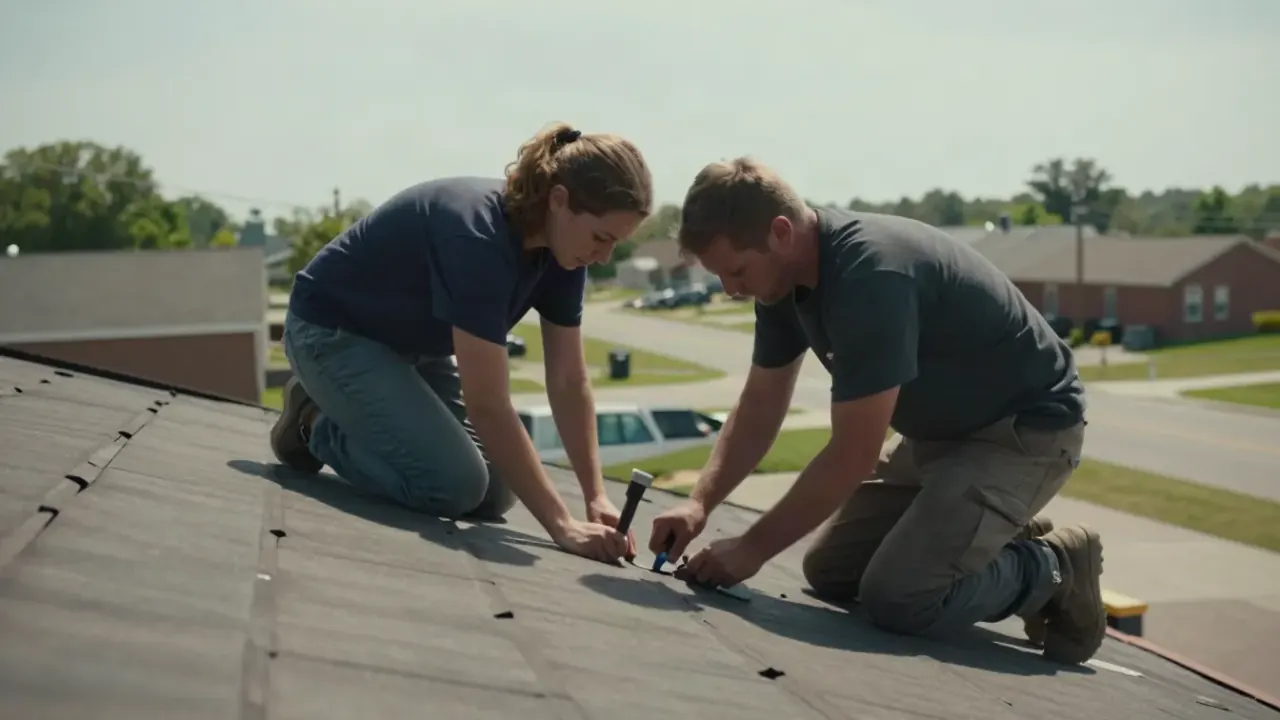
You can find a roof leak by systematically inspecting your attic, ceiling, and roof exterior for water stains, mold, and damaged materials. Start inside on a rainy day, trace the water trail upward, then move to the roof to confirm the entry point. This step-by-step guide will walk you through the exact process we use in Baytown, Texas, to locate leaks fast and prevent costly damage.
We know that a leaking roof is stressful. Water stains on your ceiling, a musty smell in the attic, or a dripping sound at night are all signs you need to act. The good news is that with a methodical approach, you can often pinpoint the source yourself. And if you get stuck, our team at Roof Leak Repair Baytown TX is just a call away.
Start Inside: Attic and Ceiling Inspection
The first step in how to find a roof leak is to inspect your attic and ceiling. Water travels, so the leak you see inside may not be directly under the breach. On a rainy day, grab a flashlight and head into the attic. Look for dark stains, mold, or damp insulation. Check the underside of the roof deck for water marks-they often appear as dark streaks or discolored patches.
If you have a vaulted ceiling without attic access, focus on the ceiling itself. Brown rings or bubbling paint indicate moisture. Use a moisture meter (available at hardware stores for $20-$40) to confirm. Trace the stain upward to its highest point; that's usually where the water enters. In Baytown's humid climate, mold can develop within 24-48 hours of a leak, so speed matters.
We often find that leaks in older homes around Goose Creek Roof Leak Repair area start at flashing points or worn pipe boots. These are common failure points after years of sun and storms.
How Do I Find a Roof Leak in My House?
To find a roof leak in your house, you need to combine indoor clues with an exterior roof inspection. Once you've identified the general area inside, go outside and examine the roof surface. Look for missing shingles, cracked flashing, or damaged seals around vents and chimneys. Use binoculars from the ground for safety.
Check the roof valleys, where two slopes meet-these are prime spots for leaks. Also inspect the flashing around chimneys, skylights, and vent pipes. In Baytown, we see many leaks caused by failed pipe boots after 10-15 years of exposure. If you spot a cracked boot or rusted flashing, that's likely your culprit.
For a more precise diagnosis, you can perform a water test. Have a helper spray water from a hose at the suspected area while you watch inside. Start low and work your way up. This method works best on a dry day when you can control the water flow.
What Is the Best Way to Detect a Roof Leak?
The best way to detect a roof leak is a systematic inspection that starts inside and moves outside, combined with water testing if needed. Professional leak detection uses infrared cameras and moisture meters to find hidden leaks without guesswork. For homeowners, a thorough visual inspection on a rainy day is the most effective DIY method.
Here's a quick checklist for your inspection:
- Attic: Look for water stains, mold, damp insulation, and daylight through the roof boards.
- Ceiling: Check for discoloration, bubbling paint, or sagging drywall.
- Roof exterior: Inspect shingles, flashing, valleys, vents, and chimney.
- Gutters: Check for granules from worn shingles and debris that can cause backups.
If you're not comfortable on a ladder, don't risk it. Our team at Ceiling Water Stain Investigation Baytown TX can trace the leak from the inside out and give you a clear answer.
DIY Roof Leak Detection Tips for Homeowners
DIY roof leak detection can save you money if you follow a few key tips. First, always prioritize safety. Never walk on a wet or steep roof. Use a sturdy ladder on level ground, and wear non-slip shoes. If you're unsure, call a professional.
Second, use the right tools. A flashlight, binoculars, moisture meter, and a hose are your best friends. A smartphone camera can help you document findings. Third, be patient. Leaks can be elusive; water may travel several feet from the entry point before showing inside.
Fourth, check common trouble spots first: chimney flashing, skylights, vent pipes, and roof valleys. In Baytown, we also see many leaks around Flashing Repair Baytown TX due to storm damage and age. If you find damaged flashing, it's often a straightforward fix.
Finally, keep a record. Note the date, weather conditions, and what you found. This helps if you need to call a pro later.
Common Mistakes to Avoid
Homeowners often make mistakes when trying to find a roof leak. One of the biggest is assuming the leak is directly above the water stain. Water follows the path of least resistance, so it can travel horizontally along rafters or insulation before dripping. Always trace the water upward to its source.
Another mistake is ignoring small leaks. A minor drip can cause major damage over time-rotted wood, mold growth, and ruined insulation. In Baytown's humid climate, mold can spread quickly. Fix small leaks before they become big problems.
Also, don't rely on roofing cement or caulk as a permanent fix. These are temporary patches at best. They may stop the water for a few weeks, but the leak will return. Proper repairs involve replacing damaged materials and correcting the underlying issue.
Lastly, don't skip the attic inspection. Many homeowners focus only on the ceiling and miss critical clues in the attic. The attic tells the full story of where the water is coming from and how far it's traveled.
When to Call a Professional
If you've followed the steps above and still can't find the leak, it's time to call a professional. Some leaks are hidden behind walls, under shingles, or in hard-to-reach areas. Our team at Baytown Roof Leak Repair has the tools and experience to locate even the most stubborn leaks.
You should also call a pro if the leak is causing structural damage, if you see mold growth, or if your roof is steep or fragile. We serve homeowners across Baytown and nearby areas like La Porte Roof Leak Repair, and we can usually schedule an inspection within 24 hours. We'll find the leak, explain what's causing it, and give you a clear plan to fix it.
Don't wait until the next storm to address a leak. Water damage only gets worse with time. A quick call now can save you thousands in repairs later.
Frequently Asked Questions
How do I find a roof leak in my house?
Start in the attic on a rainy day. Look for water stains, mold, or damp insulation. Trace the water trail upward to its highest point, then inspect the roof exterior at that spot. Check flashing, vents, and shingles for damage. If you can't find it, call a professional.
What is the best way to detect a roof leak?
The best way is a systematic inspection: inside first, then outside. Use a flashlight and moisture meter in the attic, and binoculars for the roof. Water testing with a hose can confirm the exact entry point. Professionals use infrared cameras for hidden leaks.
Can I find a roof leak myself in Baytown TX?
Yes, many homeowners can find obvious leaks themselves by following our step-by-step guide. However, if the leak is hidden or you're uncomfortable on the roof, call a professional. We offer affordable roof leak detection in Baytown and can pinpoint the source quickly.
How much does roof leak repair cost in Baytown?
Typical 2026 pricing for roof leak repair in Baytown ranges from $350 to $1,200 depending on the damage. Simple flashing repairs start around $350, while more complex fixes involving shingles or decking can cost more. We provide upfront pricing before any work begins.
What are signs of a roof leak?
Common signs include water stains on ceilings or walls, musty odors, mold growth, peeling paint, and damp insulation in the attic. You might also hear dripping sounds or notice granules from shingles in your gutters. Act quickly to prevent further damage.
Get Help with Roof Leak Repair in Baytown
If you've tried to find your roof leak and need a hand, we're here to help. Our team at Baytown Roof Leak Repair specializes in fast, accurate leak detection and lasting repairs. We serve Baytown and surrounding communities with upfront pricing and no guesswork.
Call us today at (281) 306-5579 to schedule your inspection. We'll find the leak, fix it right, and give you peace of mind before the next storm hits.